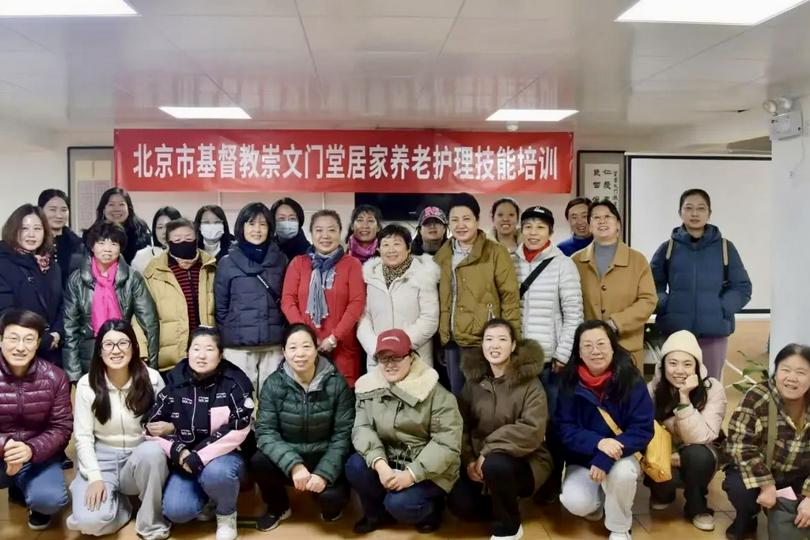
On November 29, Chongwenmen Church in Beijing hosted a home-based elderly care lecture on "Physiological Changes in Older Adults," drawing many middle-aged and elderly participants and their families.
According to the church, the lecture outlined common age-related physiological changes through eight major bodily systems—musculoskeletal, digestive, cardiovascular, respiratory, nervous, urinary, endocrine, and immune. Using everyday scenarios, the speaker explained proper blood pressure measurement techniques, appropriate timing for monitoring and medication, and the causes and risks of issues such as osteoporosis, muscle weakness, memory decline, and frequent nighttime urination.
Grounded in the health principles of "nutrition, exercise, and prevention," the lecturer offered scientific and practical strategies. Older adults were advised to engage in suitable aerobic and strength-training exercises to help regulate blood lipids and blood pressure while improving muscle strength and bone density. Dietary recommendations emphasized adequate intake of high-quality protein, calcium, and vitamin D. The session also highlighted the importance of fall prevention, environmental improvements, and safe daily habits at home.
The lecture further introduced practical methods, including breathing exercises, bladder training, and Kegel exercises, to help older adults enhance respiratory function and urinary control.
Chongwenmen Church in Beijing, originally named "Asbury Church," was founded in 1870 as the first church established by the American Methodist Episcopal Church in North China. In 1982, it resumed services and was renamed "Chongwenmen Church." Recognized for its historical significance and architectural value, the church has been designated a national key cultural heritage site. As one of the oldest Protestant churches in Beijing, it has received notable visitors, including former U.S. Presidents George Bush and Bill Clinton, as well as renowned evangelist Billy Graham, and is widely respected both domestically and internationally.